
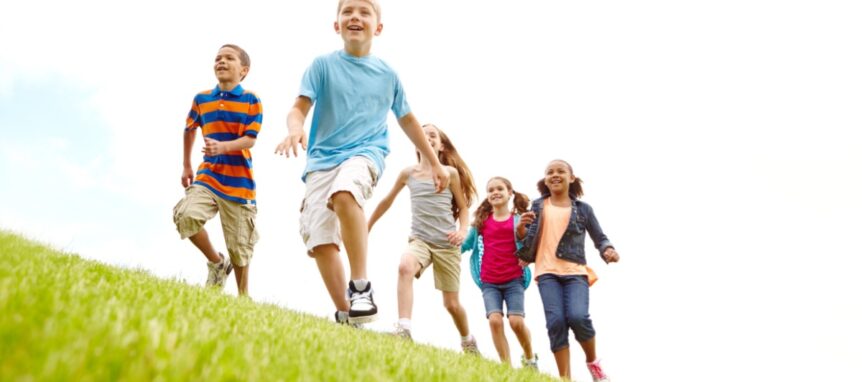
One of the most meaningful aspects of the camp experience isn’t a single activity or skill; it’s the sense of belonging that grows through shared traditions. Camp traditions create continuity, comfort, and connection, helping children feel like they are part of something bigger than themselves. For many campers, these traditions become the moments they remember most, long after camp ends.
Traditions help transform a group of individuals into a community. Through repeated rituals, shared stories, and familiar routines, campers develop trust, friendships, and a strong sense of identity within the camp environment.
Creating a Sense of Togetherness
From the very first day, camp traditions help break down barriers. Group songs, opening circles, welcome activities, or simple daily rituals invite everyone to participate, regardless of age or personality. These shared moments signal to campers that they belong and that their presence matters.
For children who may feel nervous or out of place at first, familiar traditions provide comfort. Knowing what to expect each day helps ease anxiety and encourages kids to engage more openly with peers and counselors. Over time, these rituals become anchors that make camp feel like a second home.
Building Shared Identity and Pride
Camp traditions often carry stories and meaning that connect campers to the camp’s history and values. Whether it’s a chant passed down year after year, a symbolic ceremony, or a themed event everyone looks forward to, these traditions give campers a sense of pride and ownership.
Participating in traditions helps children feel included in something special. They aren’t just attending camp, they’re becoming part of a community with its own culture. This shared identity strengthens bonds and encourages campers to support one another, fostering mutual respect and cooperation.
Encouraging Social Connection Through Ritual
Many camp traditions are designed to bring people together in relaxed, joyful ways. Campfire nights, group games, talent showcases, or storytelling sessions create space for laughter, creativity, and connection. These moments allow children to express themselves without pressure and to see one another beyond surface-level interactions.
Because traditions are repeated, they create natural opportunities for friendships to grow. A camper who may be quiet during structured activities might shine during a song or group reflection. Over time, these shared experiences deepen trust and help campers form meaningful relationships.
Supporting Emotional Safety and Inclusion
Traditions also play a powerful role in creating emotionally safe environments. Rituals like closing circles, reflection time, or gratitude sharing encourage children to listen, share, and support one another. These practices help normalize emotions and teach empathy.
When campers see that everyone participates, regardless of background, ability, or experience—they learn that inclusion is a core value. Traditions reinforce the idea that every camper has a place and a voice within the community.
Passing Down Leadership and Responsibility
As campers return year after year, traditions take on new meaning. Older campers often help teach songs, explain rituals, or guide younger campers through special events. This passing of responsibility encourages leadership and mentorship while reinforcing continuity.
Being entrusted with these roles helps children feel valued and capable. It also strengthens the sense of belonging, as campers recognize their role in sustaining the community for others.
Memories That Last a Lifetime
Camp traditions often become the memories campers cherish most. Long after specific activities fade, children remember how camp made them feel, welcomed, connected, and understood. These emotional memories are powerful and enduring.
The sense of belonging created through tradition can have a lasting impact on a child’s confidence and social development. Knowing they were part of a supportive community helps children carry that sense of connection into school, friendships, and future experiences.
Where Community Comes to Life
Camp traditions are more than just fun rituals, they are the foundation of a strong, inclusive community. Through shared experiences, meaningful routines, and a culture of belonging, camps help children feel connected in ways that truly matter.
At Camp Live Oak, traditions are thoughtfully woven into every program to help campers feel welcomed, supported, and valued from day one. To learn more about how Camp Live Oak builds community and belonging through meaningful camp experiences, contact us here.