
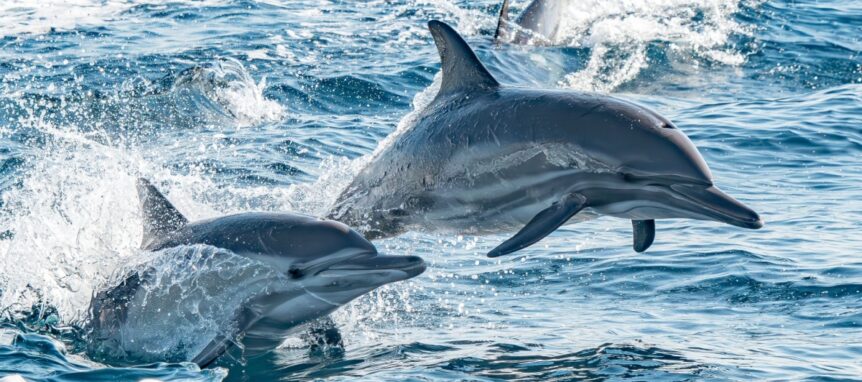
Few animals capture the imagination quite like dolphins. Known for their playful behavior, remarkable intelligence, and strong social bonds, dolphins are among the most beloved marine animals in the world. Along the coast of South Florida, these fascinating creatures can often be seen swimming through coastal waters, surfacing for air, or riding the waves created by boats.
For children exploring the outdoors, learning about dolphins offers an exciting introduction to marine biology and conservation. At Camp Live Oak, campers have opportunities to learn about the coastal ecosystems that support dolphins and other marine wildlife. While dolphin sightings aren’t guaranteed, the nearby Atlantic Ocean and Intracoastal Waterway are part of the habitat these incredible animals call home.
Meet the Bottlenose Dolphin
The most common dolphin found in South Florida is the Atlantic bottlenose dolphin. These marine mammals are easily recognized by their curved mouths, sleek gray bodies, and distinctive dorsal fins.
Adult bottlenose dolphins typically grow between 8 and 12 feet long and can weigh several hundred pounds. Despite living in the ocean, dolphins are mammals, which means they breathe air, give birth to live young, and nurse their calves much like humans and other mammals do.
Because they must surface regularly to breathe, dolphins are often easier to spot than many other marine animals.
Among the Smartest Animals on Earth
Dolphins are widely regarded as some of the most intelligent animals in the world. Scientists have observed dolphins using problem-solving skills, communicating with one another through a variety of sounds, and even recognizing themselves in mirrors.
Each dolphin develops its own unique whistle, almost like a name, which helps members of a pod identify one another. These vocalizations allow dolphins to stay connected even when they cannot see each other underwater.
For young nature enthusiasts, learning about dolphin intelligence often sparks curiosity about animal behavior and how different species communicate.
Life in a Dolphin Pod
Dolphins are highly social animals that live in groups called pods. These pods may consist of just a few individuals or dozens of dolphins depending on food availability and environmental conditions.
Within a pod, dolphins work together to find food, protect one another from danger, and care for young calves. They often cooperate while hunting, surrounding schools of fish and taking turns feeding.
This teamwork is one of the reasons dolphins have become such popular symbols of cooperation and community. Their social behavior provides an excellent example of how animals depend on one another to survive and thrive.
What Do Dolphins Eat?
Dolphins are skilled predators that primarily feed on fish and squid. Using a remarkable ability called echolocation, they can locate prey even in murky water.
Echolocation works by sending out clicking sounds that bounce off objects and return as echoes. By interpreting these echoes, dolphins can determine the size, shape, and location of nearby objects and animals.
This natural sonar system allows dolphins to hunt effectively and navigate through their environment with incredible precision.
Why Dolphins Matter
Dolphins play an important role in maintaining healthy marine ecosystems. As predators, they help keep fish populations balanced and contribute to the overall health of coastal food webs.
Their presence can also indicate a healthy environment. Because dolphins are sensitive to pollution and changes in water quality, scientists often monitor dolphin populations to better understand the condition of marine ecosystems.
Teaching children about dolphins helps them appreciate the importance of protecting coastal habitats and the many species that depend on them.
Protecting South Florida’s Marine Life
Although dolphins are highly adaptable, they still face challenges. Pollution, habitat degradation, fishing gear entanglement, and boat strikes can all threaten dolphin populations.
Conservation efforts throughout Florida focus on protecting waterways, reducing pollution, and educating the public about responsible wildlife viewing. Simple actions like properly disposing of trash, respecting wildlife from a distance, and helping keep waterways clean can make a significant difference.
These lessons help children understand that everyone has a role to play in protecting marine environments.
Discovering Marine Life Through Outdoor Learning
Learning about dolphins is one of many ways children can connect with South Florida’s incredible coastal ecosystems. Wildlife education helps transform a simple day outdoors into an opportunity for discovery, curiosity, and environmental stewardship.
At Camp Live Oak, campers explore the natural beauty of Hugh Taylor Birch State Park while learning about the diverse wildlife that inhabits South Florida’s waterways and coastline. Through hands-on experiences and nature-based education, children develop a deeper appreciation for animals like dolphins and the ecosystems that support them. To learn more about Camp Live Oak’s programs and outdoor adventures, contact us here.