
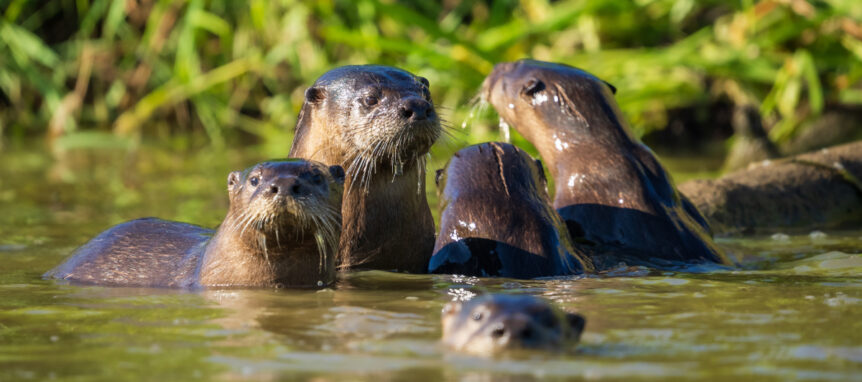
South Florida is home to an incredible variety of wildlife, and one of the most entertaining animals to encounter is the North American river otter. Known for their playful behavior, remarkable swimming abilities, and curious personalities, river otters are a favorite among nature enthusiasts of all ages. Although they can be elusive, spotting one in the wild is an unforgettable experience that reminds us just how diverse Florida’s ecosystems truly are.
For campers exploring the outdoors, learning about river otters is a fun way to better understand the wetlands, rivers, and waterways that support so many different species. While sightings are never guaranteed, river otters can occasionally be found in and around South Florida’s freshwater habitats, making every nature adventure an exciting opportunity for discovery.
Meet the North American River Otter
River otters are sleek, semi-aquatic mammals that spend much of their lives in and around the water. They have long, streamlined bodies, webbed feet, dense waterproof fur, and powerful tails that help them swim with incredible speed and agility.
Adult river otters typically grow between three and four feet long, including their tails, and can weigh between 10 and 30 pounds. Their thick brown fur keeps them warm while swimming, and their sensitive whiskers help them detect movement underwater, even in murky conditions.
Although they are excellent swimmers, river otters are also surprisingly agile on land, where they run, climb, and even slide down muddy or grassy banks simply for fun.
Where Do River Otters Live?
River otters are found throughout much of Florida, living anywhere there is clean, healthy freshwater. They inhabit rivers, lakes, marshes, canals, ponds, and wetlands, often making dens along the shoreline or taking over abandoned burrows created by other animals.
Healthy waterways provide everything river otters need, including fish, freshwater, shelter, and safe places to raise their young.
While Hugh Taylor Birch State Park is best known for its coastal habitats and wildlife like birds and manatees, the park’s waterways and nearby aquatic environments provide wonderful opportunities for campers to learn about animals like river otters and the healthy ecosystems they depend on. Exploring these habitats helps children understand how many different species rely on Florida’s waterways.
Masters of the Water
River otters spend much of their day swimming, diving, and searching for food. They can remain underwater for several minutes at a time and use their streamlined bodies to move effortlessly through the water.
Their diet mainly consists of fish, but they also eat frogs, crayfish, turtles, insects, and occasionally small mammals or birds. Because they are opportunistic hunters, they help maintain balanced aquatic ecosystems by keeping prey populations in check.
Watching videos or observing signs of river otters in the wild gives children an appreciation for how perfectly adapted these animals are to life in the water.
Why Are River Otters So Playful?
One of the characteristics that makes river otters so popular is their playful behavior. They chase one another through the water, wrestle, slide down muddy banks, and explore their surroundings with endless curiosity.
Scientists believe much of this play helps young otters develop important survival skills like hunting, swimming, and coordination. It also strengthens family bonds between mothers and their pups.
For children, river otters serve as a wonderful reminder that learning and play often go hand in hand—a lesson that mirrors many outdoor camp experiences.
Why River Otters Matter
River otters are considered indicators of healthy waterways. Because they depend on clean water and abundant fish populations, their presence often suggests that an ecosystem is thriving.
Unfortunately, habitat loss, water pollution, and human development can reduce suitable habitat for otters. Protecting wetlands, rivers, and natural shorelines helps ensure these remarkable animals continue to flourish throughout Florida.
Teaching children about river otters also helps them understand the importance of conservation. Every healthy waterway benefits not only otters, but also countless other plants and animals that call these ecosystems home.
Discovering Wildlife Through Outdoor Exploration
One of the greatest joys of spending time outdoors is never knowing what you might discover. Whether campers spot a wading bird, a turtle sunning itself on a log, or simply learn about the wildlife that inhabits Florida’s waterways, each experience helps build a stronger connection to nature.
At Camp Live Oak, campers explore the natural beauty of Hugh Taylor Birch State Park, where outdoor adventures encourage curiosity about the incredible wildlife that calls South Florida home. Through hands-on environmental education and guided exploration, children develop a greater appreciation for Florida’s ecosystems and the animals that depend on them. To learn more about Camp Live Oak’s nature-based programs, contact us here.