
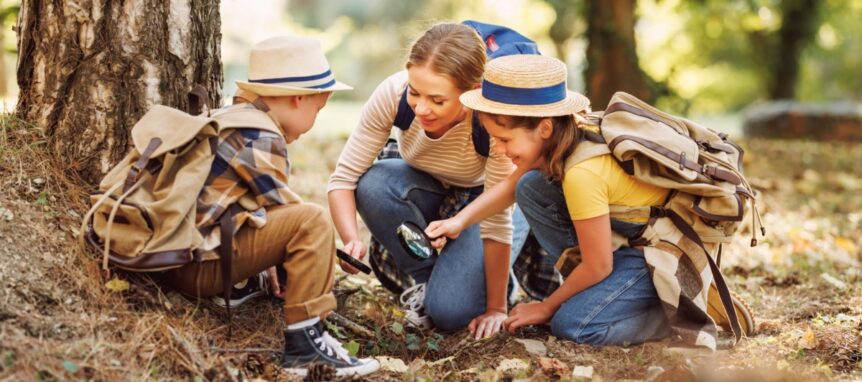
A growth mindset, the belief that abilities and intelligence can be developed through effort, perseverance, and learning, is a powerful trait that shapes how children approach obstacles and opportunities. While this concept is often discussed in educational settings, outdoor challenges at camp provide an ideal environment for children to put it into practice. The natural world offers unexpected hurdles, exciting adventures, and moments of reflection that help kids realize their potential and push past self-imposed limits.
What Is a Growth Mindset?
Coined by psychologist Carol Dweck, a growth mindset contrasts with a fixed mindset, where individuals believe their talents and intelligence are static. Children with a growth mindset see mistakes as opportunities for learning and are more likely to take on challenges, persist in the face of setbacks, and enjoy the process of learning.
Outdoor activities, with their unpredictable variables and immersive engagement, are especially effective in teaching children these mindset principles in real time.
Facing Physical Challenges with Determination
Camps are filled with physical activities that challenge kids in exciting ways. Whether it’s hiking a steep trail, paddling a canoe for the first time, or balancing on a paddleboard, these experiences present obstacles that require persistence and a willingness to try again after failure.
When children realize they can improve their skills with practice, they begin to reframe their approach. A camper who struggles with archery on the first day but improves through consistent effort learns a lasting lesson: ability grows with time, patience, and commitment. The outdoors acts as a natural classroom where resilience is developed organically.
Encouraging Problem-Solving and Creative Thinking
Outdoor environments are rarely perfect. Rain might delay a planned activity, trails may be muddy, or a canoe might veer off course. These inconveniences force children to adapt, reassess, and come up with solutions. Such moments, while seemingly small, are key to building flexible thinking.
Camp staff often guide kids through challenges by asking open-ended questions or offering subtle encouragement rather than immediate solutions. This approach helps campers tap into their own problem-solving abilities and embrace setbacks as part of the learning process.
Learning Through Teamwork and Communication
Many camp activities are designed to be group-based, such as team-building games, relay races, or building a shelter together. These shared experiences help children realize the importance of collaboration and support from others. More importantly, they learn that asking for help isn’t a sign of weakness, but a step toward success.
When children face a challenge as a group, they witness firsthand how different ideas and collective effort can lead to creative solutions. Watching a teammate persist after falling, or offering encouragement to a peer, reinforces the idea that growth isn’t just personal—it’s something that can be nurtured in others too.
Building Confidence Through Small Wins
Growth mindset development doesn’t always require big breakthroughs. In fact, the smaller moments often leave the greatest impact. Catching a fish after trying all week, learning how to start a campfire, or navigating a short trail independently can all be significant accomplishments.
Camp environments are designed to offer age-appropriate challenges that gradually build confidence. With each small success, campers begin to see themselves as capable individuals, even if they struggled at first. This positive reinforcement encourages them to seek out new challenges rather than avoid them.
Reflection as a Tool for Growth
Many camps incorporate downtime or reflection periods into the daily schedule. Sitting by the campfire, writing in a journal, or participating in a group discussion allows children to process what they’ve learned.
Reflection is key to developing a growth mindset. When children are encouraged to think about what they struggled with, how they responded, and what they learned, they start to internalize the connection between effort and improvement. It reinforces the idea that setbacks aren’t endpoints—they’re starting points for something greater.
A Lasting Mindset Beyond Camp
The lessons children learn in nature stick with them long after the tents are packed and the trails are left behind. A child who once hesitated to try new things may now be the first to volunteer in class. One who learned to persist through a physical challenge might be more patient with difficult homework.
Outdoor challenges at camp teach kids that failure isn’t something to fear, it’s part of the process. These moments cultivate resilience, perseverance, and a belief that growth is always possible with effort and a positive attitude.
If you’re looking for a camp that nurtures confidence and lifelong learning through outdoor adventure, Camp Live Oak provides an enriching environment where kids are encouraged to grow, challenge themselves, and discover the joy of pushing beyond their comfort zones.