
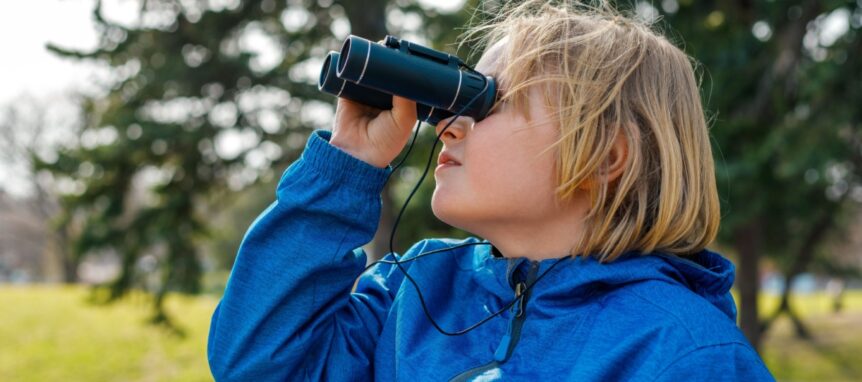
In an age of screens, schedules, and standardized testing, many kids face fewer opportunities to think creatively or solve problems outside the classroom. Camp programs, however, offer a refreshing contrast. In the camp environment, children engage in activities that naturally require decision-making, cooperation, and critical thinking; skills essential for real-world success. These experiences help children develop not only self-reliance but also the ability to adapt and respond to unexpected challenges.
At camp, learning is hands-on, spontaneous, and deeply rooted in real-life scenarios. Whether a camper is figuring out how to pitch a tent before sunset or collaborating with others during a group challenge, they’re practicing the kinds of skills that matter far beyond campgrounds. These lessons don’t just build character; they strengthen a child’s capacity to reason through problems, make informed choices, and lead with confidence.
Learning Through Exploration and Discovery
One of the key ways camps foster problem-solving skills is by creating a learning environment driven by exploration. Children are encouraged to try new things and think for themselves. There’s no right answer sheet or immediate digital response; just trial, error, and thoughtful experimentation. Activities like outdoor navigation, orienteering, or even scavenger hunts challenge children to apply logic and resourcefulness in unfamiliar situations.
These experiences simulate real-life problem-solving where the solution isn’t always obvious or immediate. As children encounter and overcome small setbacks, they gain the confidence to take on larger challenges, both in and out of the camp setting.
Teamwork in Action
Camp life naturally places kids in group settings where collaboration is essential. Whether it’s preparing a campfire meal, building a raft, or participating in a ropes course, campers must communicate, listen, and share responsibilities to succeed. These team-based tasks help children learn how to contribute to a group effort and understand how different perspectives can work together toward a shared goal.
Importantly, these social dynamics mimic many real-world situations, from group school projects to future workplace interactions. When campers disagree, solve conflicts, or adjust roles for the good of the group, they’re building emotional intelligence alongside their problem-solving abilities.
Resilience Through Trial and Error
One of the most valuable aspects of camp is that it allows room for mistakes. Without the pressure of grades or strict assessments, kids can take risks and learn from the consequences in a safe environment. Trying to tie a difficult knot, light a fire without matches, or paddle through an unexpected current, all of these moments require persistence and adaptation.
Learning that failure isn’t final helps kids build resilience. They develop a growth mindset where each attempt is seen as progress, not defeat. This kind of perspective helps them later in life when they face complex problems that don’t come with easy solutions.
Independence and Decision-Making
Camp also fosters independence by giving children the responsibility to make their own choices. Should they sign up for the archery class or the nature hike? What should they pack for the overnight trip? How should they handle a disagreement with a bunkmate? These seemingly small decisions help children develop judgment and confidence in their ability to navigate the world.
As campers grow more comfortable making decisions on their own, they begin to trust their instincts and learn to evaluate consequences. This is especially important as they enter adolescence and adulthood, where self-guided decisions become a daily necessity.
Practical Application in Everyday Life
The skills learned at camp don’t stay behind when the season ends. Kids who engage in real-world problem-solving return to school more self-assured, better equipped to handle academic challenges, and more willing to take initiative. They’ve learned how to break a task into steps, seek help when needed, and persevere through frustration, which benefits them in nearly every area of life.
Parents often notice that after camp, their children are more helpful at home, more communicative with peers, and more willing to try new things. These shifts are not accidental, they stem from camp experiences that asked kids to think critically, solve problems, and believe in their own abilities.
A Strong Foundation for the Future
Problem-solving is one of the most valuable life skills a child can develop, and few environments nurture it as well as camp. Through hands-on challenges, teamwork, trial and error, and increased independence, campers walk away with real tools they can use for years to come.
At Camp Live Oak, these experiences are intentionally built into daily activities to help children grow into capable, resilient, and thoughtful individuals. To learn more about how Camp Live Oak can support your child’s development, visit their contact page and get in touch with their team today.