
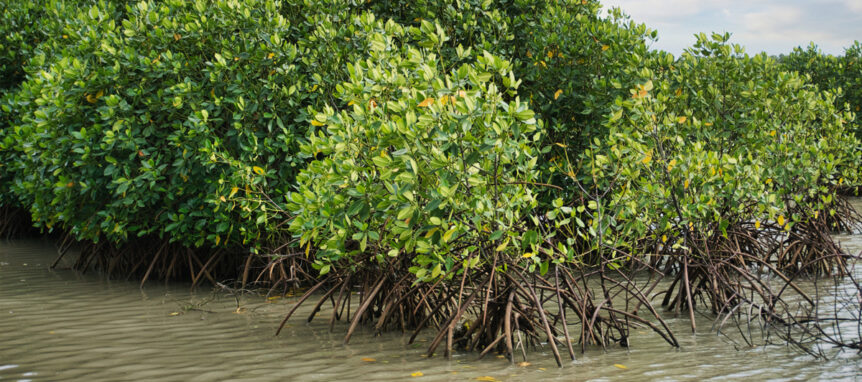
Florida’s coastline is home to some remarkable natural ecosystems, but few are as important or recognizable as mangrove forests. With their tangled roots, salt-tolerant leaves, and ability to thrive where land meets water, mangroves play a vital role in protecting shorelines and supporting wildlife. These unusual trees might look like ordinary coastal vegetation at first glance, but they are responsible for creating some of South Florida’s most valuable natural habitats.
At Camp Live Oak, exploring the natural environment of Hugh Taylor Birch State Park in Fort Lauderdale provides opportunities for children to learn about Florida’s coastal ecosystems. Mangroves are an excellent example of how plants contribute to the health of the environment, protect wildlife, and help maintain the delicate balance between land and water.
What Exactly Are Mangroves?
Mangroves are trees and shrubs adapted to living in coastal environments where saltwater, freshwater, and land interact. Unlike most plants, which struggle in salty conditions, mangroves have developed special adaptations that allow them to survive in these challenging habitats.
Florida is home to three primary mangrove species: red mangroves, black mangroves, and white mangroves. Each has unique characteristics that help it thrive along the coast.
Red mangroves are easily recognized by their distinctive prop roots, which extend from the trunk and branches into the water or soil. These roots help support the trees in soft coastal sediments.
Black mangroves often grow slightly farther inland and have specialized roots called pneumatophores that extend upward from the soil, helping the trees obtain oxygen.
White mangroves generally grow in areas farther from the water and have rounded leaves with specialized structures that help them manage salt.
Together, these species contribute to the complex coastal forests found throughout South Florida.
Natural Protection for Florida’s Shorelines
One of the most important benefits of mangroves is their ability to protect coastal areas from erosion.
Their extensive root systems help stabilize shoreline sediments, reducing the amount of soil that can be washed away by waves and moving water. Mangrove forests also slow water movement and can help reduce wave energy during storms.
This protection is particularly valuable in South Florida, where coastal communities experience tropical storms, hurricanes, and changing water conditions.
While mangroves cannot eliminate flooding or prevent all storm damage, healthy mangrove forests provide a natural buffer that can reduce certain coastal impacts.
They demonstrate how protecting natural ecosystems can also benefit nearby communities.
A Nursery for Marine Life
Mangroves do much more than protect the shoreline. Their underwater roots create important habitats for fish, crabs, shrimp, and other aquatic animals.
The tangled root systems provide hiding places where young fish can find shelter from larger predators. Many species spend part of their early lives in mangrove habitats before moving into other coastal environments.
These nursery areas contribute to the health of nearby waterways, including seagrass beds, estuaries, and offshore marine ecosystems.
For children learning about Florida’s wildlife, mangroves provide a fascinating example of how plants and animals depend on one another.
A single mangrove habitat can support an impressive variety of life, both above and below the water.
A Home for Birds and Other Wildlife
Mangrove forests are also important habitats for birds and other coastal wildlife.
Wading birds such as herons and egrets may search for food along mangrove shorelines, while other birds use mangrove branches for resting, nesting, or shelter.
Insects, reptiles, and numerous other animals also depend on the conditions these coastal forests provide.
Because mangroves connect land and water, they support species from both environments. This makes them especially valuable for maintaining biodiversity in Florida’s coastal regions.
Observing these relationships can help children understand that a healthy ecosystem is made up of many different living things working together.
How Mangroves Help Keep Waterways Healthy
Mangroves contribute to water quality by trapping sediments and capturing some pollutants and nutrients carried by runoff.
Their roots slow the movement of water, allowing suspended particles to settle before they travel farther into coastal ecosystems.
Mangrove forests also store significant amounts of carbon in their vegetation and waterlogged soils, making them important contributors to coastal carbon storage.
These environmental benefits show that mangroves provide valuable services even when their work isn’t immediately visible.
Protecting them helps support the health of surrounding waterways and coastal habitats.
Learning About Mangroves at Camp Live Oak
One of the best ways to understand an ecosystem is to experience the natural environment firsthand.
At Camp Live Oak, outdoor exploration at Hugh Taylor Birch State Park gives campers opportunities to learn about South Florida’s plants, wildlife, and waterways. The park’s coastal setting provides a valuable environment for discussing the role mangroves and other native vegetation play in supporting healthy ecosystems.
Activities such as canoeing, fishing, and nature exploration can inspire questions about shoreline habitats, aquatic wildlife, and the relationships between plants and animals.
Children may begin wondering why mangrove roots look different from other tree roots, how fish use underwater vegetation for protection, or why preserving natural shorelines is important.
These questions can turn an ordinary outdoor experience into a meaningful lesson about environmental conservation.
Why Protecting Mangroves Matters
Despite their importance, mangrove forests face challenges from coastal development, habitat loss, pollution, and changing environmental conditions.
In Florida, mangroves are protected by state regulations that limit unauthorized trimming and removal. Preserving existing mangrove forests and restoring damaged habitats are important parts of coastal conservation.
Children can help by learning about these ecosystems, respecting protected natural areas, keeping waterways clean, and sharing what they discover with others.
Developing an appreciation for mangroves at a young age can encourage a lifelong interest in protecting Florida’s coastal environment.
Discover Florida’s Coastal Ecosystems With Camp Live Oak
Mangroves may not attract as much attention as Florida’s beaches or marine wildlife, but they are essential to the health of the state’s coastline. By protecting shorelines, supporting young marine animals, providing wildlife habitat, and contributing to cleaner waterways, these remarkable trees demonstrate how interconnected nature truly is.
At Camp Live Oak, learning about ecosystems like mangrove forests helps children develop curiosity and a greater appreciation for the natural world. Through outdoor adventures and hands-on exploration at Hugh Taylor Birch State Park, campers can discover why Florida’s coastal habitats deserve to be understood and protected.
To learn more about Camp Live Oak’s nature-based programs and opportunities for your child to explore South Florida’s incredible environment, contact Camp Live Oak today.