
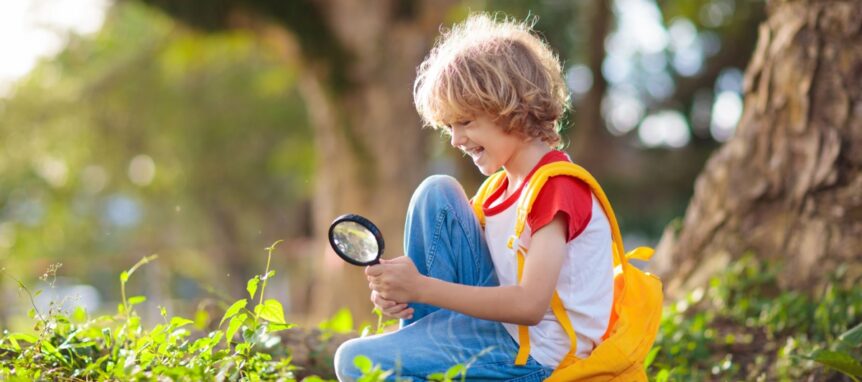
Modern classrooms are filled with technology, structure, and academic rigor, but something essential is often missing: meaningful time outdoors. Outdoor education offers more than a break from the routine; it immerses children in hands-on experiences that stimulate curiosity, develop resilience, and foster a lifelong love for learning. Nature becomes the ultimate teacher, offering valuable lessons in science, social skills, creativity, and emotional well-being. As academic pressures rise, opportunities for unstructured outdoor learning have become increasingly rare, making it more important than ever to incorporate time in nature into a child’s schedule. Programs that blend education with outdoor exploration help bridge the gap between traditional learning and real-world understanding.
Learning That Engages the Senses
Children are naturally curious, and outdoor education gives them a chance to engage their senses fully. Whether it’s feeling the texture of tree bark, identifying birds by their calls, or watching how insects interact with their environment, students learn through direct experience. This type of sensory engagement helps make lessons more memorable and meaningful than those learned through textbooks alone.
Nature also presents opportunities for discovery and experimentation. A child who studies the life cycle of a butterfly indoors may understand the concept, but observing a caterpillar spin its cocoon and transform into a butterfly fosters a deeper appreciation of the natural world—and reinforces the science behind it.
Academic Benefits Beyond the Classroom
Outdoor education enhances core academic skills in ways that support traditional learning. Activities like measuring the growth of plants, tracking weather patterns, or studying erosion on a trail integrate math and science into real-world applications. These hands-on experiences help students understand concepts on a deeper level and see their relevance beyond school.
Time spent in nature also improves attention, memory, and cognitive flexibility. Research shows that outdoor learning can lead to higher test scores, increased engagement, and better problem-solving abilities. For children who struggle in traditional classrooms, outdoor education can provide a fresh opportunity to shine.
Emotional Growth and Confidence Building
Beyond academics, nature supports emotional development. Children gain confidence as they take on new challenges—whether it’s climbing a rock wall, identifying animal tracks, or building a shelter from natural materials. These accomplishments build a sense of self-reliance and resilience, traits that benefit kids both in and out of school.
Outdoor education also helps reduce stress. The natural environment provides a calming space that supports emotional regulation and mental health. Even short periods of outdoor learning can decrease anxiety, increase happiness, and improve mood.
Social Skills and Teamwork in Natural Settings
Outdoor experiences encourage collaboration. Many nature-based activities involve group problem-solving, shared responsibilities, and open communication. Whether campers are working together on a canoe trip or participating in a nature scavenger hunt, they must rely on one another to succeed.
This setting helps children develop empathy and patience as they navigate shared challenges. It also allows them to connect with others outside their usual peer groups, creating opportunities for friendship and personal growth in a more relaxed, inclusive environment.
Developing Environmental Stewardship
When children spend time in nature, they develop a personal connection to the environment. This connection fosters a sense of responsibility for the world around them. Outdoor education introduces kids to the concepts of conservation, sustainability, and ecological balance through lived experience.
Whether planting native flowers to attract pollinators or cleaning up a park trail, children begin to understand that their actions matter. These early lessons in stewardship can shape values that extend into adulthood, creating future generations of environmentally conscious citizens.
A Year-Round Opportunity for Learning
Outdoor education shouldn’t be limited to a few weeks in the summer or a special field trip once a year. Programs held in fall, winter, and spring provide a well-rounded view of seasonal changes, wildlife patterns, and environmental processes. Each season brings unique learning opportunities—from autumn hikes that explore leaf color changes to springtime searches for amphibians.
Parents and educators can support year-round outdoor learning by choosing camps, afterschool programs, or weekend nature events that keep children engaged with the outdoors in meaningful ways.
Where Camp and Learning Meet
Nature-based education proves that some of the most valuable lessons don’t take place within four walls. When children are allowed to explore, experiment, and discover at their own pace in outdoor environments, they not only grow academically, but also develop critical life skills.
Programs like the ones at Camp Live Oak help make this kind of year-round outdoor learning possible. With hands-on science activities, nature exploration, and environmental education, Camp Live Oak gives children the chance to thrive in nature’s classroom, and carry those lessons with them into every part of their lives.